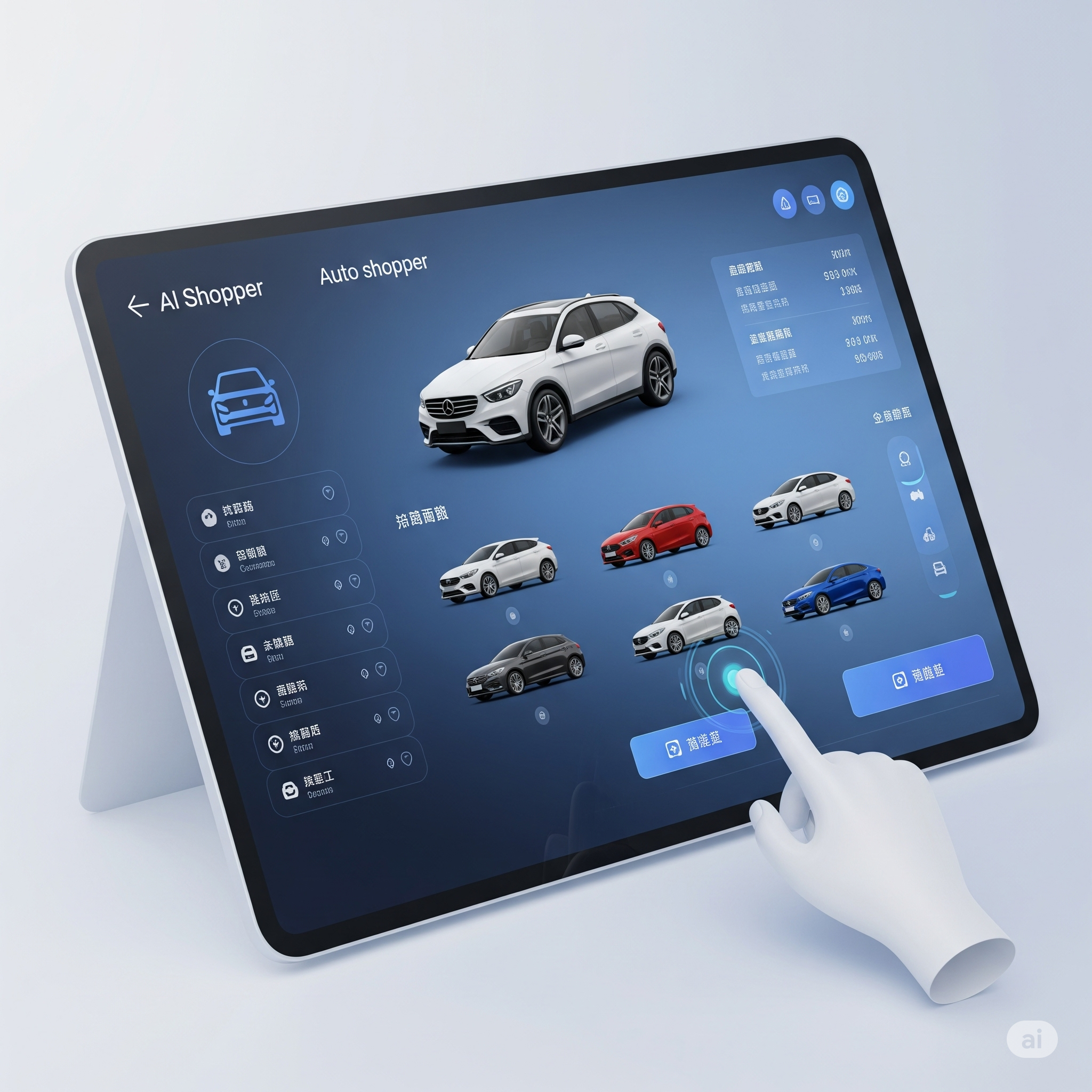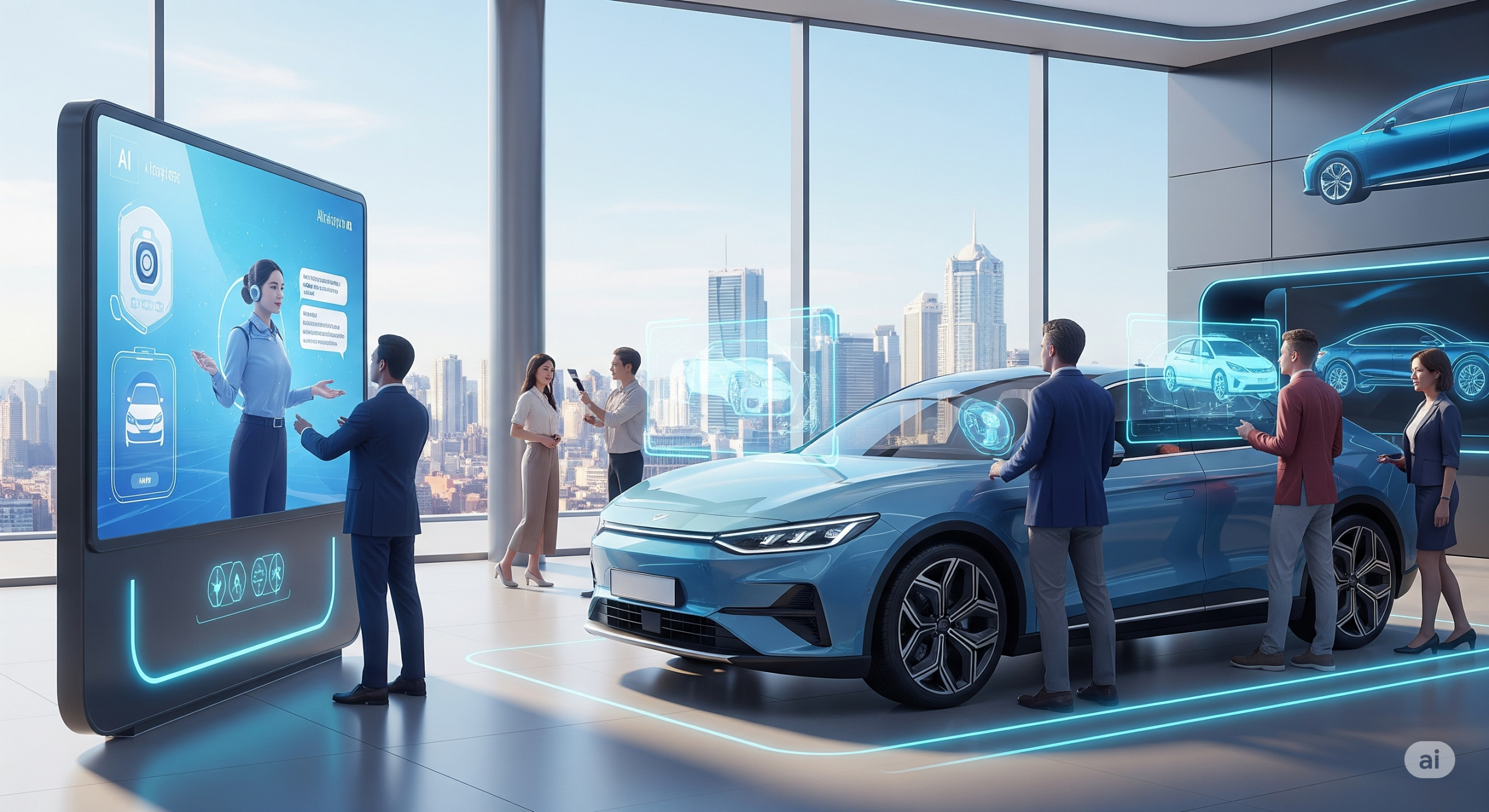
The modern car-buying journey has been irrevocably transformed and it seemed to happen overnight. Gone are the days of aimless wandering through sprawling dealership lots. Today, a powerful and often invisible force is guiding consumers toward their perfect vehicle: artificial intelligence. AI-powered recommendation engines are increasingly sophisticated, leveraging complex algorithms to understand individual needs and preferences, ultimately personalizing the car search in ways never before possible.
At the heart of this revolution lies a potent combination of data and intelligent algorithms. These systems meticulously analyze vast datasets, encompassing everything from a user’s online behavior to the intricate specifications of thousands of vehicle models. The goal is to move beyond simple keyword matching and deliver a curated selection of cars that truly resonate with each potential buyer.
The Fuel of the Engine: Data in Motion
The effectiveness of any AI recommendation system is directly proportional to the quality and breadth of the data it consumes. In the automotive realm, this data can be broadly categorized into two key types:
- User Data: This provides a rich tapestry of a potential car buyer’s identity and desires. It includes:
- Explicit Data: Information actively provided by the user, such as their budget, preferred body style (sedan, SUV, etc.), desired features (sunroof, advanced safety systems), and even lifestyle indicators like family size or typical commute.
- Implicit Data: Clues gathered from a user’s online behavior. This can include the cars they click on, the reviews they read, the comparisons they make, and the amount of time they spend on specific vehicle pages. Even seemingly minor interactions can reveal underlying preferences.
- Demographic Data: Age, location, and other demographic details can offer valuable context for refining recommendations. For instance, a user in a snowy region might implicitly be more interested in all-wheel-drive vehicles.
- Vehicle Data: This encompasses the comprehensive attributes of each car in the database:
- Specifications: Engine type, fuel efficiency, horsepower, cargo space, and safety ratings are just the tip of the iceberg.
- Features: A detailed list of standard and optional features, from infotainment systems to specific driver-assistance technologies.
- Market Data: This includes pricing information, sales trends, and professional and consumer reviews, which help the AI understand a vehicle’s overall value and popularity.
The Core Algorithms: How AI Makes its Picks
Once the data is gathered, sophisticated algorithms get to work, employing several key methodologies to generate personalized vehicle recommendations.
1. Collaborative Filtering: The “People Like You” Approach
This is one of the most common and powerful techniques. At its core, collaborative filtering operates on the principle of “wisdom of the crowds.” It identifies users with similar tastes and behaviors and then recommends vehicles that other, like-minded individuals have shown interest in.
For example, if User A has shown a preference for fuel-efficient sedans with high safety ratings, and User B, with a similar Browse history, ultimately purchased a specific hybrid model, the system might recommend that same hybrid to User A. This method is particularly effective at uncovering unexpected but relevant suggestions that a user might not have discovered on their own.
2. Content-Based Filtering: The “More of What You Like” Method
Content-based filtering takes a more direct approach. It focuses on the attributes of the vehicles a user has interacted with and suggests other cars with similar characteristics.
If a user frequently views mid-size SUVs from Japanese manufacturers known for their reliability, a content-based filtering algorithm will prioritize showing them other mid-size SUVs from those same or similar brands. The system creates a “profile” of the user’s preferences based on the content they engage with and then matches that profile to the attributes of other vehicles in the inventory.
3. Hybrid Models: The Best of Both Worlds
Recognizing the strengths and weaknesses of individual approaches, many modern recommendation engines employ a hybrid model. These systems combine collaborative and content-based filtering to provide more robust and accurate suggestions.
A hybrid system might start by using content-based filtering to get an initial sense of a user’s preferences. As the user interacts more with the platform, the system can then layer in collaborative filtering data to refine and diversify the recommendations. This approach helps to mitigate the “cold start” problem (where the system has little initial user data) and can lead to more serendipitous discoveries for the consumer.
Real-World Impact: A Win-Win for Buyers and Sellers
The implementation of these AI-powered recommendation engines is already having a profound impact on the automotive industry. For consumers, the benefits are clear:
- Personalized Experience: The car search becomes more efficient and less overwhelming.
- Discovery of New Options: Users are exposed to a wider range of vehicles that they might not have considered otherwise.
- Increased Confidence: The data-driven nature of the recommendations can provide a sense of validation for a user’s choices.
For dealerships and online car platforms, the advantages are equally compelling:
- Improved Lead Quality: By presenting more relevant options, these systems can increase the likelihood of a user taking the next step, such as scheduling a test drive.
- Enhanced Customer Engagement: A personalized experience keeps users on the platform longer and encourages them to return.
- Optimized Inventory Management: By understanding which vehicles are in high demand for specific user segments, dealerships can make more informed decisions about their stock.
As AI technology continues to evolve, we can expect vehicle recommendation systems to become even more sophisticated. The integration of natural language processing will allow for more conversational and intuitive search experiences, while advancements in machine learning will enable these engines to understand even the most subtle nuances of human preference. The invisible hand of the algorithm is here to stay, and it’s fundamentally reshaping how we find and fall in love with our next car.